
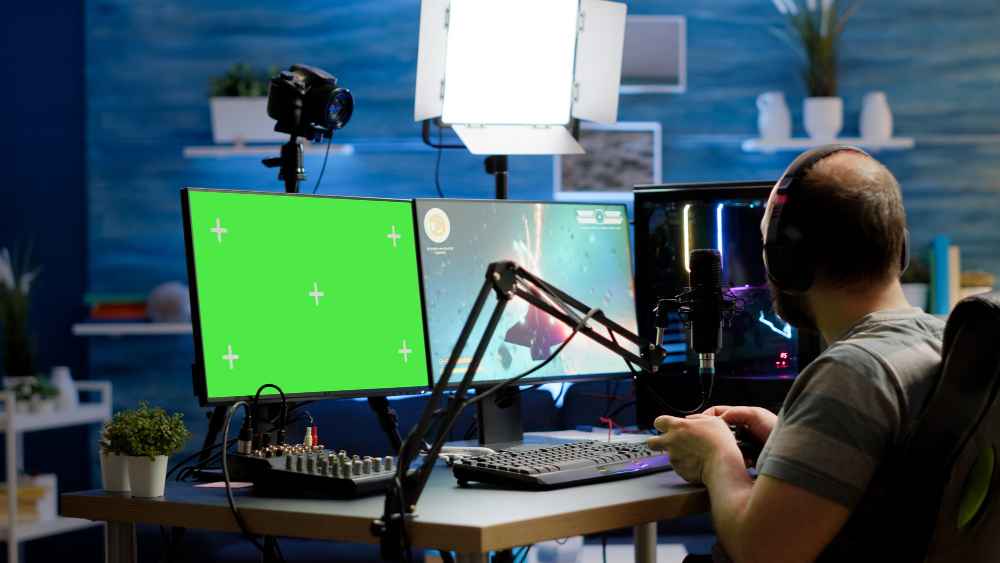
The convergence of gaming streams and casino content has created a unique niche where streamers broadcast both traditional video games and online gambling sessions to audiences seeking entertainment and strategy insights. Building a PC setup capable of handling the demanding requirements of streaming high-quality casino gameplay while maintaining the performance needed for gaming requires careful component selection and configuration. For those streaming casino content, particularly roulette sessions from the best roulette sites, hardware choices directly impact stream quality, audience retention, and the overall professionalism of the broadcast.
Processor Requirements for Dual-Purpose Streaming
The CPU serves as the foundation for any streaming setup, handling encoding duties alongside gaming and browser-based casino platforms. For streamers broadcasting both traditional games and online roulette, a processor with high core counts becomes essential. The AMD Ryzen 9 7950X or Intel Core i9-14900K represent ideal choices, offering 16 cores that can simultaneously manage game processing, stream encoding, browser operations for casino sites, and chat monitoring without performance degradation.
Casino streaming presents unique challenges because platforms run in browsers that can be resource-intensive, particularly when multiple tables are open simultaneously or when sites feature animated graphics and live dealer feeds. The processor must handle these browser instances while encoding the stream at high bitrates.
Budget-conscious streamers can achieve excellent results with mid-tier options like the AMD Ryzen 7 7700X or Intel Core i7-13700K, which offer sufficient performance for 1080p streaming at 60fps while maintaining smooth casino gameplay and game performance.
Graphics Card Selection for Visual Clarity
While casino streaming doesn’t demand the GPU power that AAA gaming requires, streamers who alternate between gaming content and casino sessions need graphics cards capable of handling both scenarios. The NVIDIA RTX 4070 Ti or AMD Radeon RX 7900 XT provide excellent balance, offering robust gaming performance while NVENC encoding capabilities reduce CPU load during streams.
NVIDIA’s latest NVENC encoder has become the preferred choice for streamers because it delivers exceptional quality at lower bitrates while freeing CPU resources for other tasks. This proves particularly valuable when streaming casino content alongside resource-intensive games, as the GPU handles encoding independently.
For streamers focusing primarily on casino content with occasional gaming, mid-range options like the RTX 4060 Ti provide adequate performance. Casino platforms don’t require significant GPU power, but having overhead ensures smooth multi-monitor setups and maintains performance when running recording software alongside streaming applications.
Memory and Storage Considerations
RAM requirements for streaming setups have increased substantially as software becomes more sophisticated. A minimum of 32GB DDR5 memory ensures smooth operation when running streaming software, multiple browser windows for casino platforms, Discord, chat monitoring tools, and games simultaneously. Streamers who edit content should consider 64GB configurations.
Storage strategy requires balancing speed and capacity. A 1TB NVMe SSD serves as the primary drive for the operating system, streaming software, and frequently played games. According to recommendations from Tom’s Hardware, PCIe 4.0 drives like the Samsung 990 Pro offer read/write speeds that eliminate loading delays. A secondary 2TB SSD provides storage for recorded streams, video projects, and game libraries.
Audio Solutions and Networking
Audio quality distinguishes professional streams from amateur broadcasts. The Shure SM7B has become the industry standard microphone for serious streamers, offering broadcast-quality audio that captures clear voice while rejecting background noise. Paired with an audio interface like the GoXLR or Focusrite Scarlett Solo, streamers gain precise control over audio mixing.
Reliable internet connectivity represents the most critical component of streaming infrastructure. Casino streaming requires stable connections to both the streaming platform and the casino site. A minimum upload speed of 10 Mbps supports 1080p streaming at reasonable bitrates, though 20+ Mbps provides comfortable headroom.
Monitor Configuration and Peripherals
Multi-monitor setups have become essential for streamers managing complex broadcasts. A primary 1440p or 4K display serves for gaming and casino gameplay, while secondary monitors handle chat, streaming software, browser tabs, and system monitoring. Similar to how Hearthstone players manage complex card interactions across detailed interfaces, casino streamers juggle multiple information sources simultaneously.
High refresh rate monitors benefit gaming content but matter less for casino streaming, where 60Hz displays suffice. However, color accuracy becomes important for casino content, as viewers need to clearly distinguish chips, card suits, and interface elements. IPS panels with good color reproduction should be prioritized.
Building for Longevity
Streaming hardware investments should prioritize upgradeability and longevity. Selecting motherboards with robust VRM designs, ample PCIe lanes, and the latest connectivity standards ensures the system remains capable as streaming demands evolve. Quality power supplies rated 80+ Gold or Platinum with adequate wattage (850W+) provide efficiency and headroom for future upgrades.
The investment in proper streaming hardware pays dividends through professional-quality broadcasts that attract and retain audiences. Whether streaming competitive gaming sessions or high-stakes roulette, the right PC configuration ensures content creators can focus on entertainment and engagement rather than technical limitations.